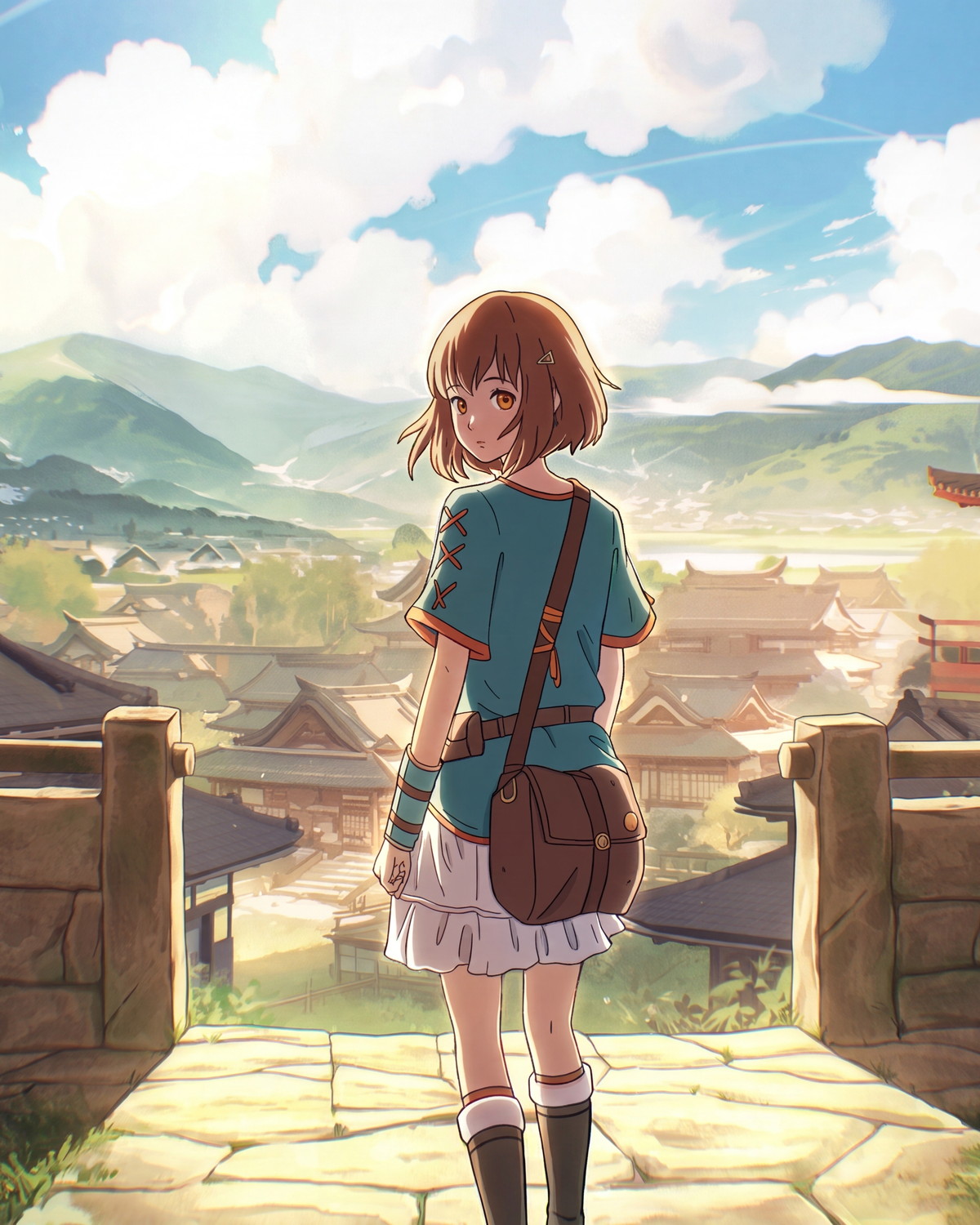

Writing music for anime is all about enhancing the emotional and narrative depth of the story. From creating captivating melodies to choosing the right instruments, here’s how to compose music that resonates with anime fans.
Anime music thrives on memorable, catchy melodies. These melodies are often simple but powerful, making them easy to recall. Focus on writing short, repeatable phrases that reflect the emotions of characters or key moments. Using pentatonic scales or modal melodies is common, as they bring a distinct flavor to the sound, echoing traditional Japanese music while still being adaptable to modern themes.
In anime music, harmony often plays a supporting role to the melody, but it has its own signature vocabulary. The single most characteristic sequence is the Royal Road progression, IV–V–iii–vi, which appears in a huge number of anime openings and J-pop songs and is usually played with seventh chords. Alongside it sit related progressions such as the Seal progression (IV–V–VI) and diatonic walks. Added tension through suspended chords, extensions and secondary dominants gives emotional depth without distracting from the melody. Harmonies can vary depending on the scene: darker scenes might lean on minor keys and borrowed chords, while uplifting moments stick to brighter progressions.
The choice of instruments is crucial in setting the tone for anime music. Traditional Japanese instruments, like the koto, shamisen, and shakuhachi, often blend with modern orchestral or electronic elements to create a rich, layered sound. For example, a battle scene might combine drums and strings with electronic synths, while a peaceful village scene could feature acoustic flute and piano.
Anime soundtracks cover a wide range of styles, from classical and orchestral to electronic and rock. For epic, action-heavy scenes, you might lean toward orchestral scores with fast tempos and dynamic changes. For slice-of-life or emotional scenes, simpler, more delicate styles like solo piano or acoustic guitar work well. Always think about how the style matches the world of the anime.
Music in anime plays a vital role in supporting the story and character development. Leitmotifs (recurring musical themes) are often used to represent characters, relationships, or emotional arcs. For example, a soft, melancholic melody could represent a character’s troubled past, evolving into a more triumphant version as they grow. The music should evolve with the story, helping to narrate the emotional journey of the characters.
By focusing on strong melodies, harmonious support, and carefully chosen instruments, you can write anime music that brings stories to life and stays with audiences long after the credits roll.
Check out ‘The Legend of Otoe’ course on anime music by Ryan Leach and Gavin Leeper! They pull apart anime music and go in depth on how you can write anime-style soundtracks yourself.

Our Music Composition & Orchestration Courses
Our Music Production Courses
Our Music Trailer Courses
See All CoursesLearn with Master The Score
Courses on composition, orchestration, music production, trailer music and sound design, from composers writing for film, games and media. Students also get exclusive discounts on leading sample libraries and plugins.
Discover all courses →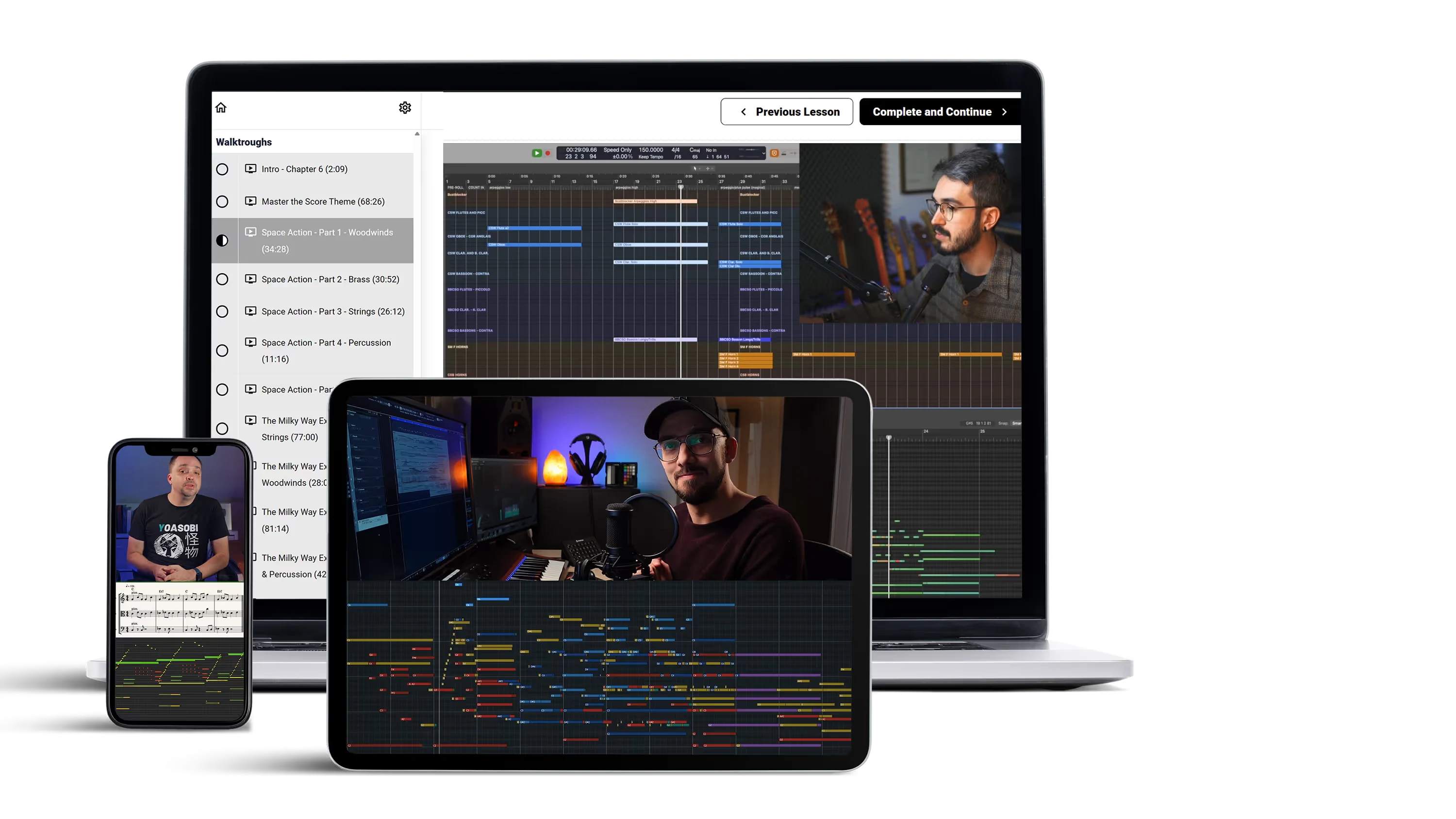

Online education for media composers — orchestral writing, trailer music, mixing and more, taught by working professionals.